
Ducks are among the most well-known yet underrated animals of our waters. For many people, they are a familiar sight, whether in a park pond, on a riverbank, or on a remote lake. Almost everyone has observed a duck without realizing how complex and fascinating these animals actually are, as numerous astonishing adaptations and abilities lie behind their seemingly simple behavior.
Diversity and Appearance
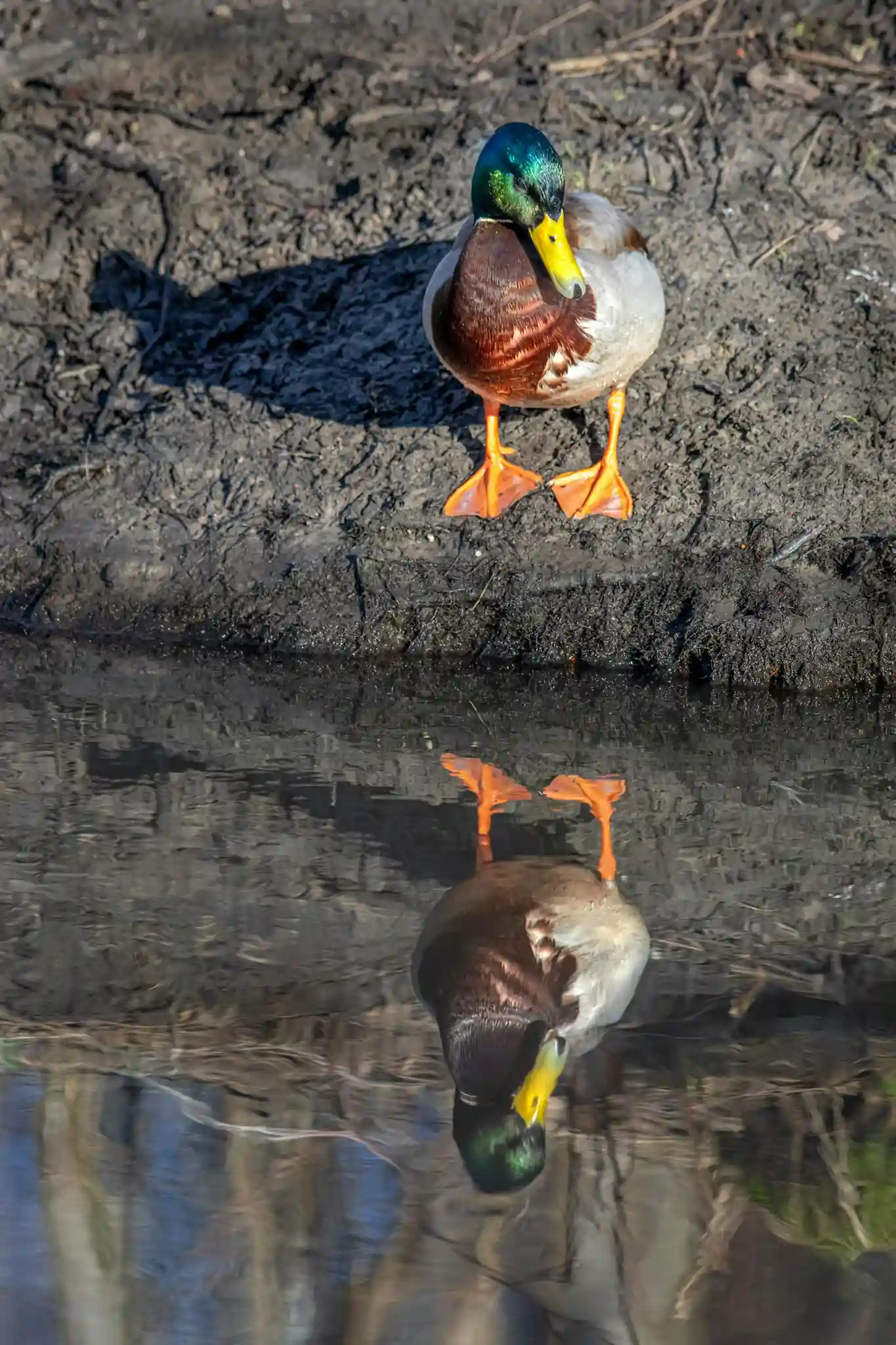
Ducks belong to the family of Anatidae and are distributed almost worldwide. One of the most famous species is the Mallard, which is particularly common in Europe and has adapted well to different habitats, so it can be found both in the wild and in the middle of the city. Male Mallards are easily recognized by their shimmering green heads, while females have a more inconspicuous brown coloring, which offers them better camouflage and protects them from predators during the breeding season—a vital advantage for the survival of the species.
Perfect Adaptation to Water
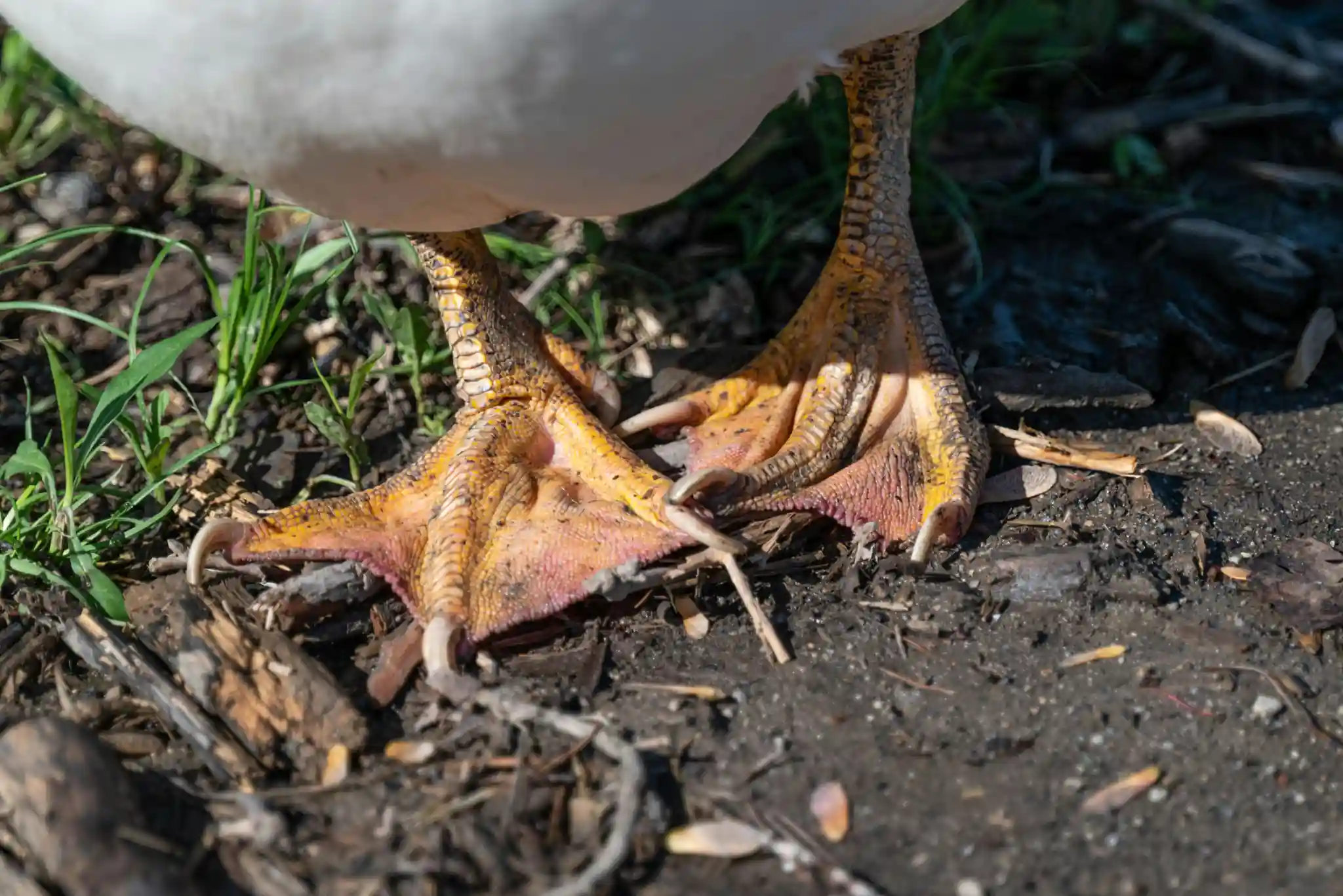
A particularly striking feature of ducks is their physique. Their feet are equipped with webs that function like small paddles and allow them to move quickly and efficiently in the water. Their plumage is structured in such a way that it repels water, keeping them dry and warm even when swimming for long periods. This is supported by a layer of oil that they regularly distribute onto their feathers with their beaks. This natural protective layer is so effective that it even serves as a model for modern water-repellent materials, showing how powerful adaptations in nature can be.
Nutrition and Lifestyle
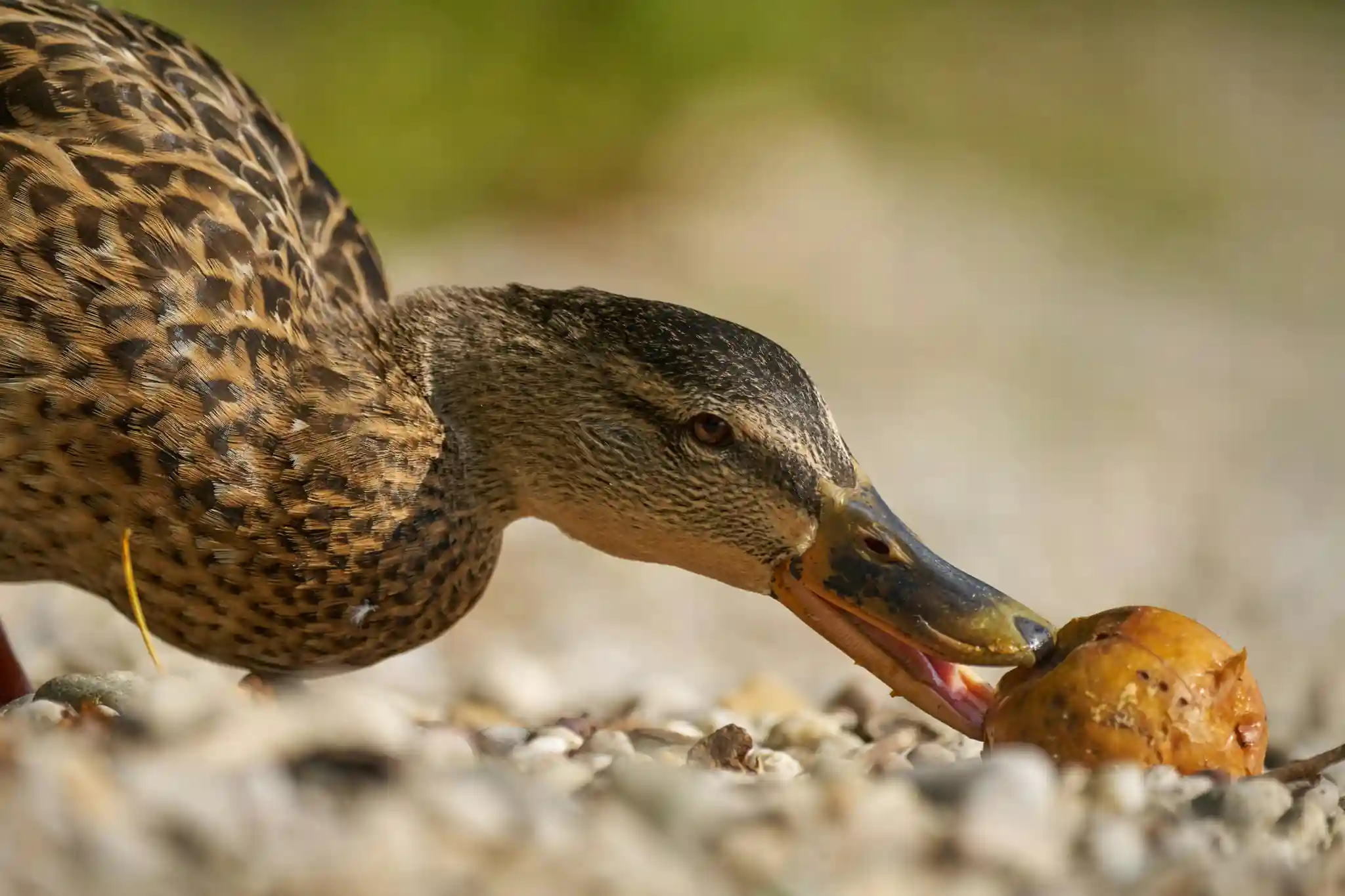
Ducks are also very versatile when it comes to finding food. They are omnivores and consume both plant and animal food, including aquatic plants, seeds, insects, and small aquatic animals. Many species use a special technique known as "dabbling," where they dip their heads underwater and stretch their hindquarters upwards to take food from the bottom of the water. Their wide beak functions like a sieve, filtering edible particles from the water, which is further supported by fine structures in the beak. A widespread misconception is the assumption that bread is a suitable food for ducks, even though it harms them and can cause health problems if consumed frequently; instead, grains or special bird food are much more suitable.
Offspring and Reproduction
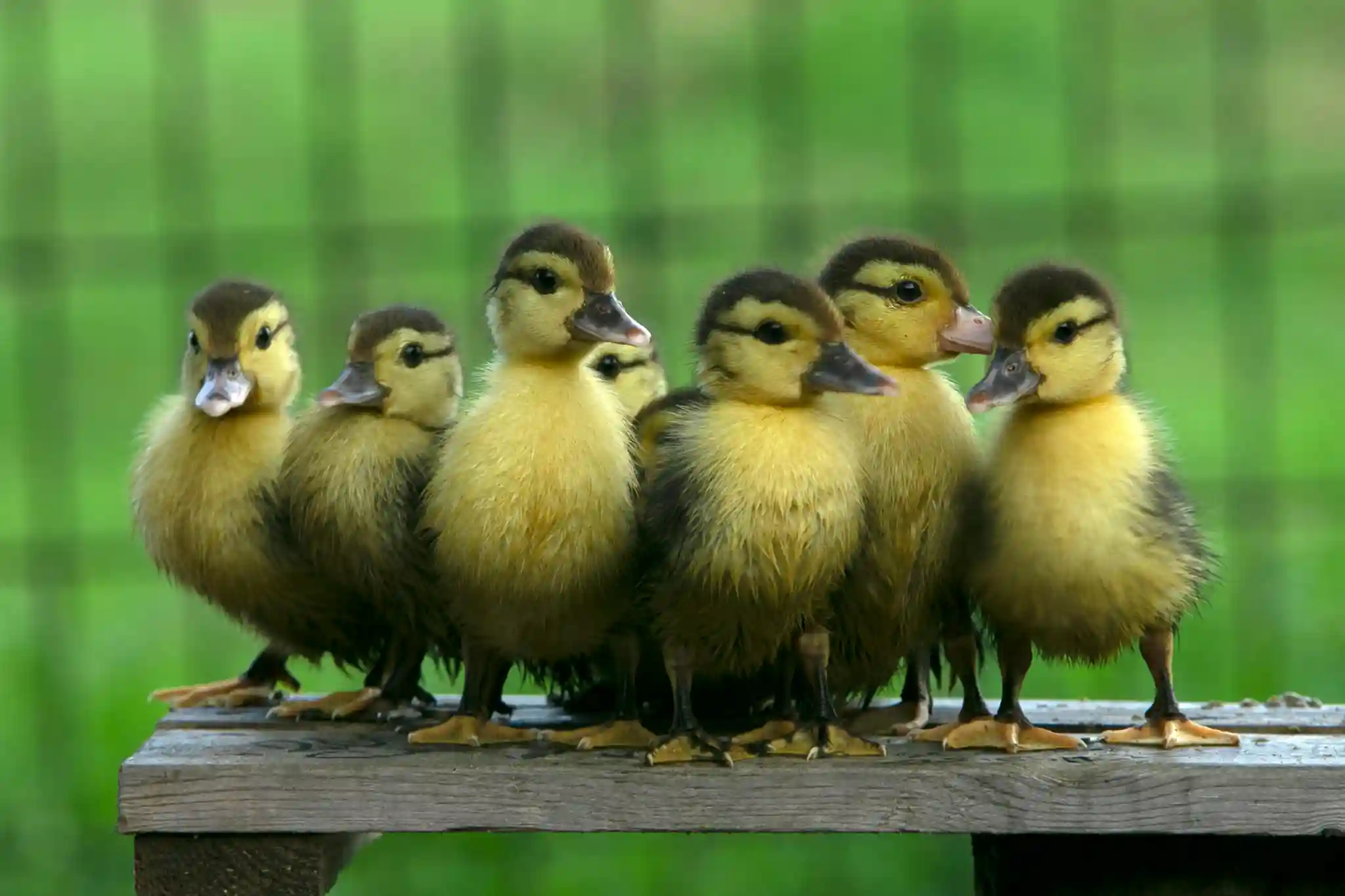
The reproductive behavior of ducks is also remarkable. Depending on the species, females lay several eggs—often between five and fifteen—and the ducklings can walk and swim shortly after hatching. For this reason, they are referred to as precocial, although they still stay close to their mother, who protects them and shows them where to find food. The ducklings can recognize their mother's voice even while still in the egg and follow her after hatching, which is crucial for their survival.
Amazing Survival Strategies
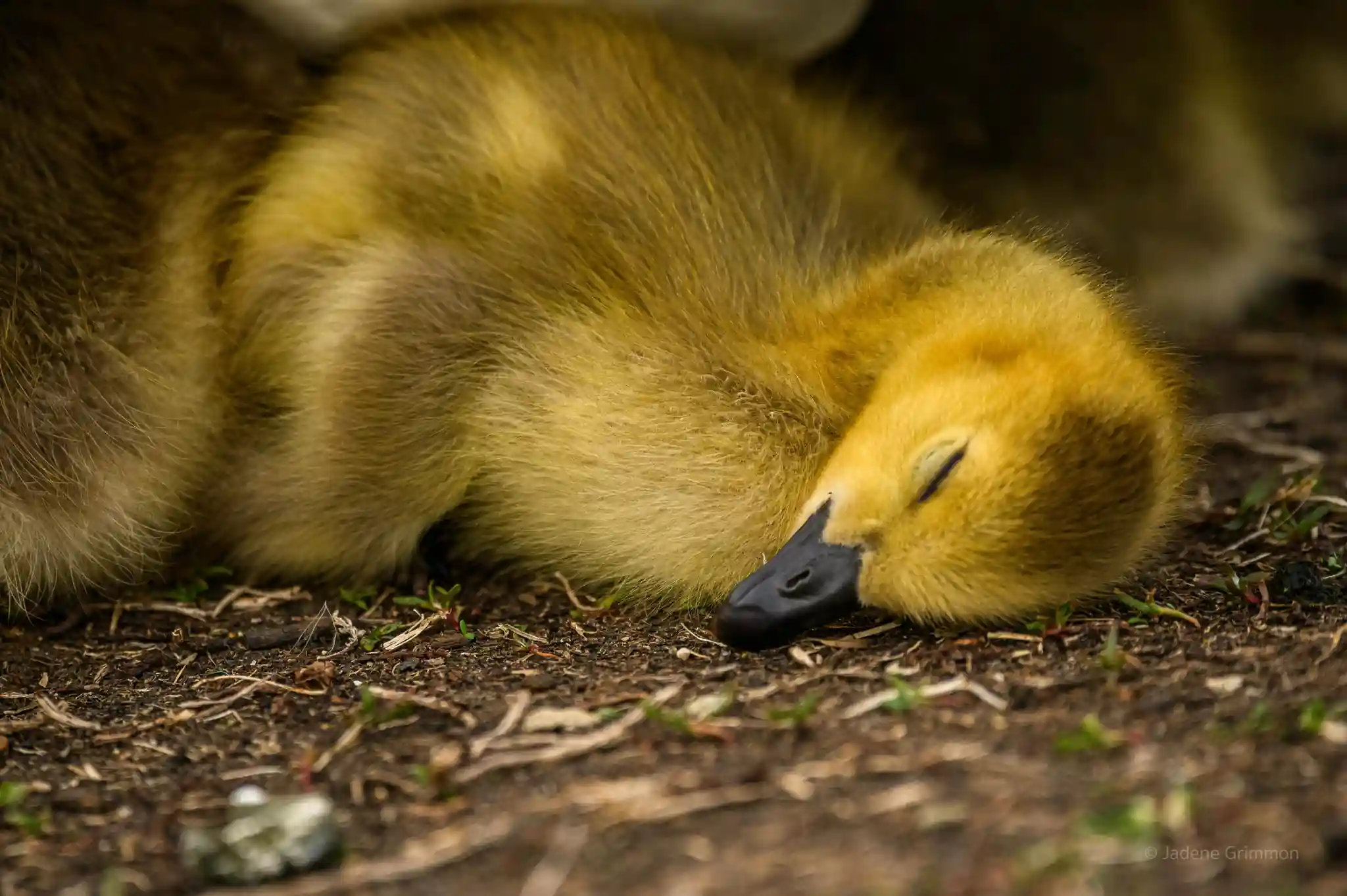
In addition to these better-known characteristics, there are also some less obvious peculiarities that make ducks extraordinary animals. For example, they are able to sleep with only one half of their brain while the other remains active, allowing them to rest and observe their surroundings at the same time. This is particularly important for recognizing enemies in time, which is why ducks are often seen with one eye open and one closed. Furthermore, ducks are surprisingly well-adapted to cold temperatures, as their legs and feet function in a way that loses very little heat, allowing them to stand on ice without freezing fast, which makes it easier for them to survive in winter.
Senses and Social Behavior
Their senses are also very well developed. Their eyes are located on the sides of their head, providing them with a very wide field of vision, so they can survey their surroundings almost completely without moving their head. This helps them detect dangers early. At the same time, they are social animals that often live in groups, communicate with each other, and react to their environment using various sounds to correspond with one another.
Life Near Humans and Migration
In urban areas, many duck species have successfully adapted to living near humans by using artificial bodies of water and finding additional food sources. However, this also brings problems such as environmental pollution or incorrect feeding. Nevertheless, they show an impressive ability to adapt to different conditions. Some duck species also belong to the migratory birds and travel long distances, orienting themselves by the position of the sun and natural landmarks, which further underlines their adaptability.
Unique Grooming and Dynamics
Another interesting fact is that ducks spend a lot of time preening their plumage, as this is crucial for their health and their ability to swim. They can also take off surprisingly quickly when they launch from the water by first running across the surface and then rising into the air.
Conclusion
Overall, it is clear that ducks are much more than ordinary water birds, as they possess numerous adaptations and behaviors that make them fascinating creatures and illustrate how complex even seemingly everyday animals can be.