
The rubber duck is one of the most famous toys in the world today and is an essential part of many bathrooms. Furthermore, it has evolved into a staple of pop culture. However, its origins do not lie in the realm of children's toys, but in the industrial processing of rubber in the 19th century. Only through technical innovations did it become possible to use rubber on a larger scale and produce various products from it.
Technical Beginnings and Vulcanization
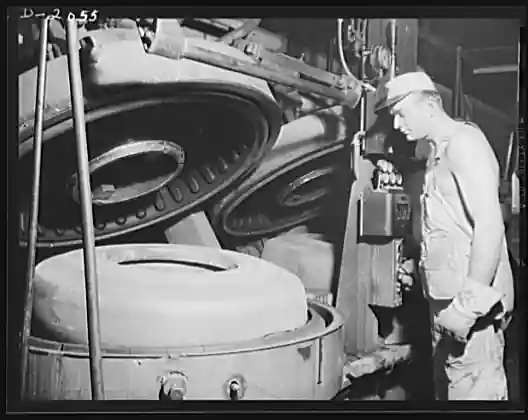
A central role was played by the development of vulcanization by Charles Goodyear in 1839. This process made natural rubber more durable and elastic, allowing it to be reliably processed industrially for the first time. Consequently, numerous everyday objects were created, including the first toys.
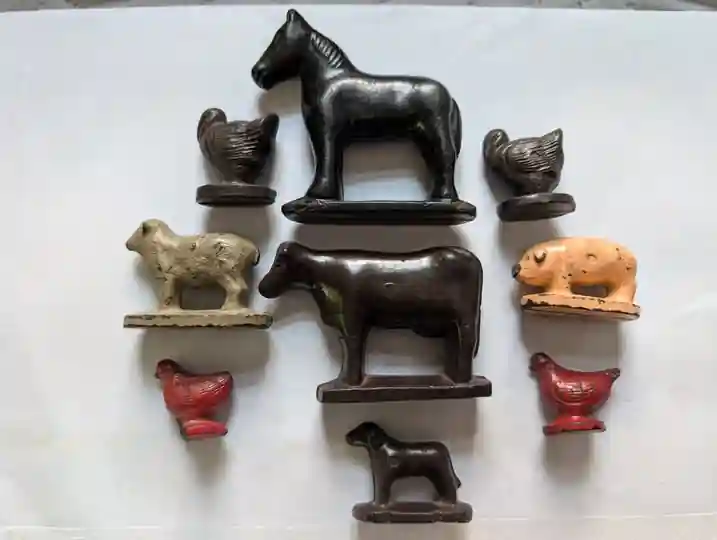
These early products, however, were still relatively hard and not very flexible. Animal-shaped figures, including ducks, primarily served as simple gripping or teething objects for children. They were neither specifically designed for use in water nor did they possess any special functions.
The Path to Water Toy
It wasn't until the beginning of the 20th century that improved manufacturing processes made rubber softer and more versatile. In this context, the idea emerged to design toys specifically for use in water. Floating figures offered a way to make bathing more playful for children.
In the 1920s, a decisive innovation was added: the squeak function. It is based on a simple mechanism where air escapes through a valve when squeezed and flows back in when released. This function significantly increased the play value and contributed greatly to the spread of the rubber duck.
Mass Production and Media Rise
After the Second World War, the production of rubber and plastic goods increased sharply. The rubber duck was now manufactured in large quantities and became a widespread children's toy, particularly in Europe and North America. Its simple shape, durability, and relatively low production costs made it a long-lasting and easily accessible product. With increasing distribution, it became a fixed part of the daily lives of many families.
The rubber duck received a further boost in popularity in the 1970s through its presence in the media, especially in children's programming. In this context, it was increasingly associated with positive themes like childhood and everyday life. This changed its meaning: it was no longer just a functional toy but evolved into a symbol that went beyond its original purpose.

Diversity, Art, and Collecting
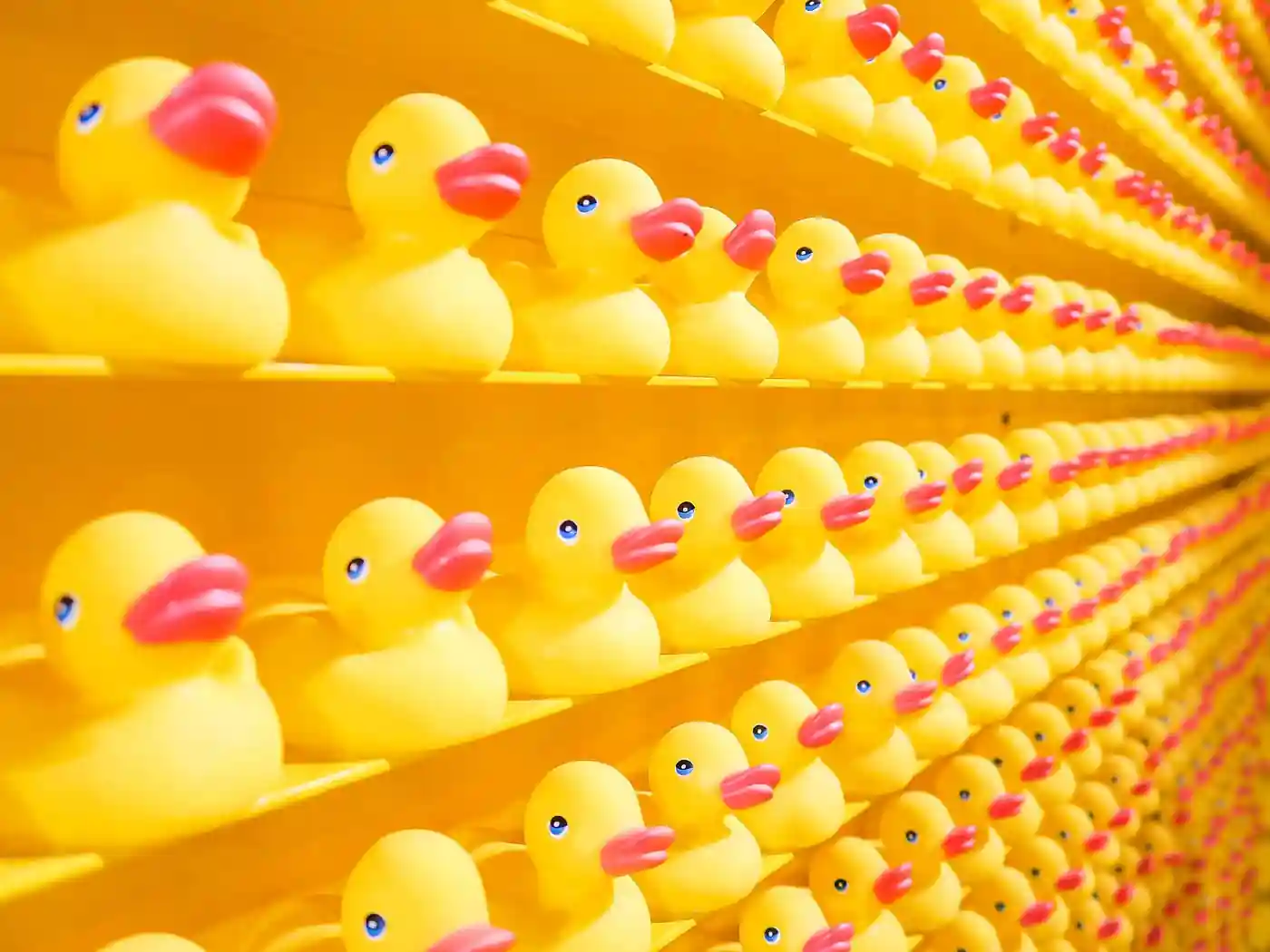
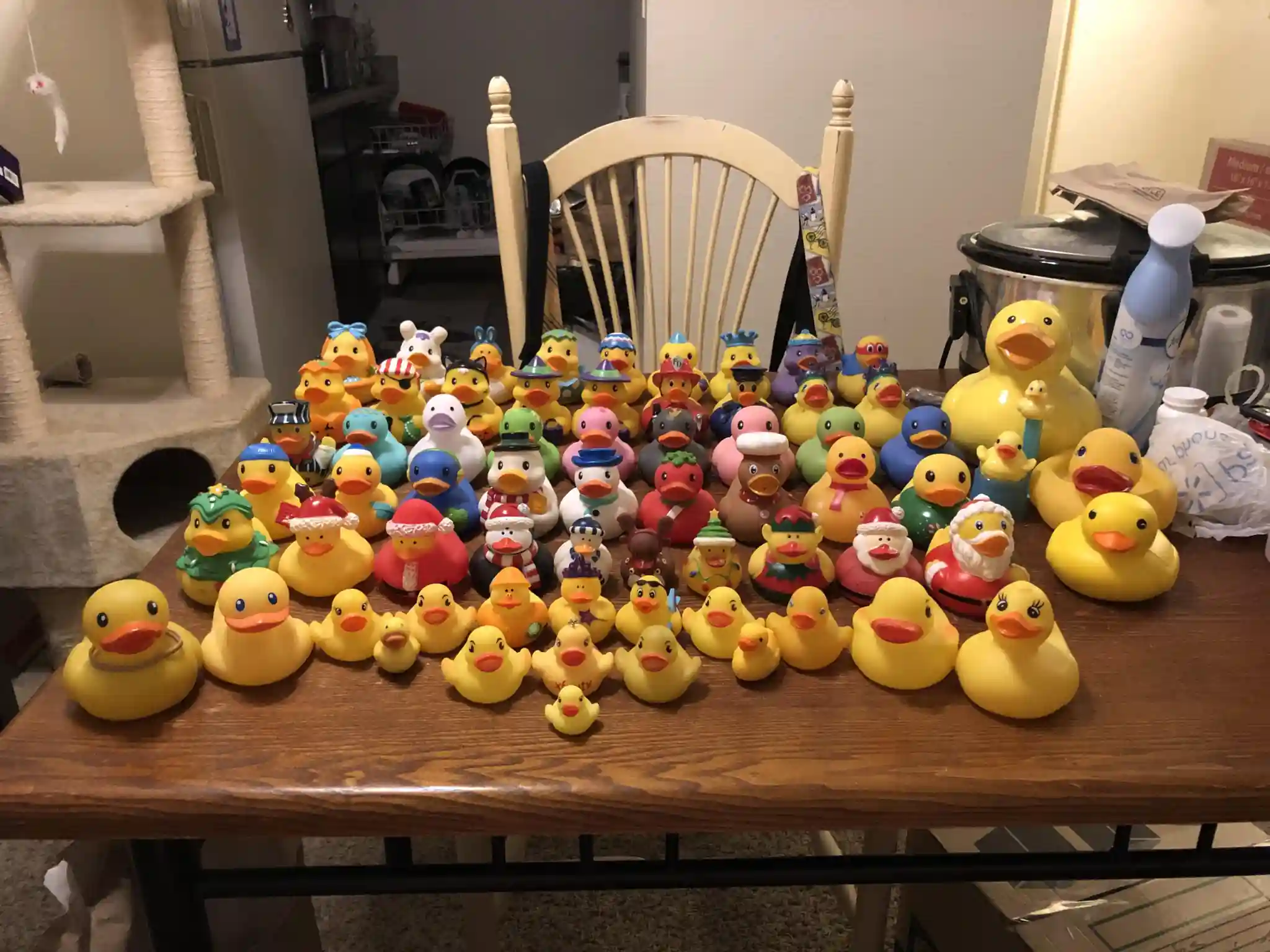
As time went on, numerous variations of the classic rubber duck emerged. It was produced in different colors, shapes, and thematic designs, such as figures from film, history, or everyday culture. This diversity led to the development of a dedicated collector scene, where rubber ducks are viewed not just as toys, but as objects with artistic or cultural value.
The rubber duck also gained attention in the field of art and design. It is frequently used there as a symbol for consumer culture or everyday aesthetics. Particularly striking are large-scale installations where oversized rubber ducks are presented in public spaces. Such projects illustrate how much the perception of this originally simple object has changed.
The Rubber Duck in Science and Society
A remarkable event in the history of the rubber duck occurred in 1992, when a cargo ship lost a container with thousands of rubber ducks in the Pacific Ocean. These spread across the world's oceans and washed up on various coasts over the years. Scientists used this event to study ocean currents and better understand their paths. Thus, the rubber duck unexpectedly gained significance in a scientific context.
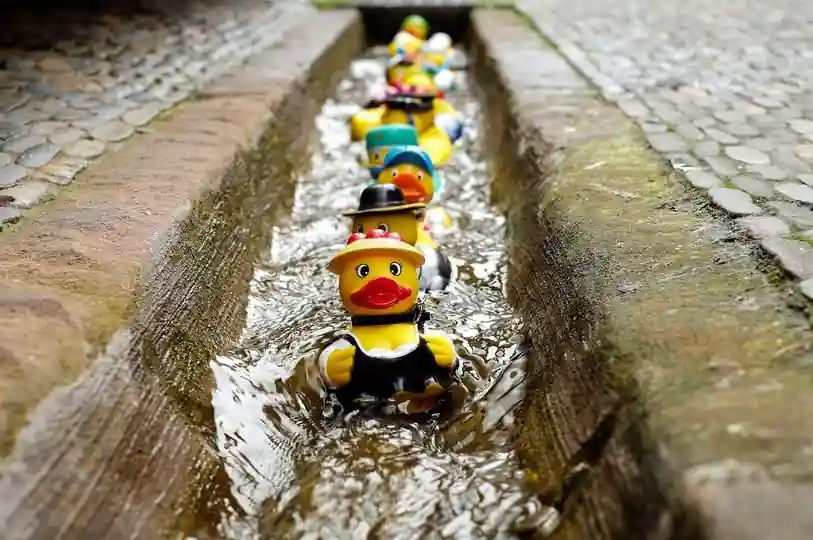
Furthermore, "Duck Races" have become established, where numerous rubber ducks compete against each other in rivers. These events are often organized as part of charity campaigns and show that the rubber duck can also take on a social and community-building function in public spaces.
Excursion: Rubber Duck Debugging
The rubber duck has also found application outside its original field of use. In computer science, the term "Rubber Duck Debugging" describes a method where problems are articulated out loud to structure thought processes and identify errors. The rubber duck serves as a symbolic listener and represents a simple but effective approach to problem-solving.
Manufacturing and Sustainability
Another important aspect is the manufacturing process of modern rubber ducks, which has changed significantly over time. While early models were made of natural rubber, today's variants are predominantly made of plastics such as PVC.
The production process at a glance:
- Design: Creating a mold that determines the characteristic appearance.
- Rotational Molding: The material is heated and placed in the mold. Through rotation, the liquid plastic distributes evenly on the inner walls, creating a hollow figure.
- Finishing: After cooling, the rubber duck is removed from the mold. Details like eyes or the beak are printed or attached.
- Assembly: The squeak valve is inserted.
- Quality Control: Checking for leaks and proper function.
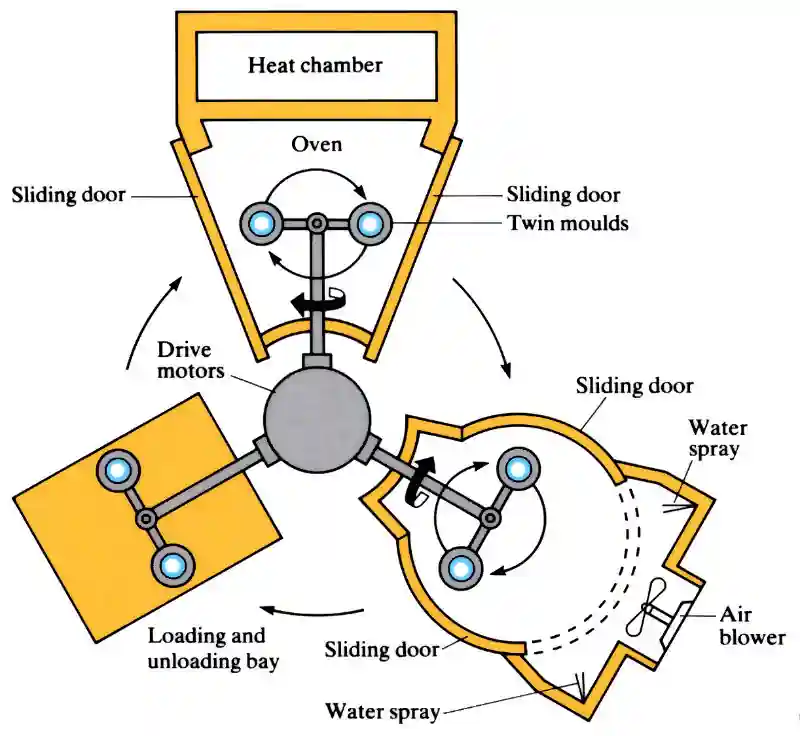
In addition to classic mass production, there are now approaches to make manufacturing more environmentally friendly. Some manufacturers focus on low-pollutant materials or alternative plastics to reduce health and ecological risks. This shows that even a simple product like the rubber duck is part of current discussions about sustainability and responsible consumption.
Conclusion
Overall, the development of the rubber duck shows how an initially inconspicuous industrial product can evolve into a multi-interpretable object over time. Its history is closely linked to technical progress, economic developments, and cultural changes. Today, it stands not only as a toy but as an element of everyday culture that takes on new meanings in various contexts.