
You may, at some point, find yourself looking at a duck and thinking a very simple, very reasonable thought:
this is clearly the ideal animal.
And honestly, from that moment on, things tend to escalate in a very predictable direction.
So You’ve Decided on a Duck (Excellent Judgment)
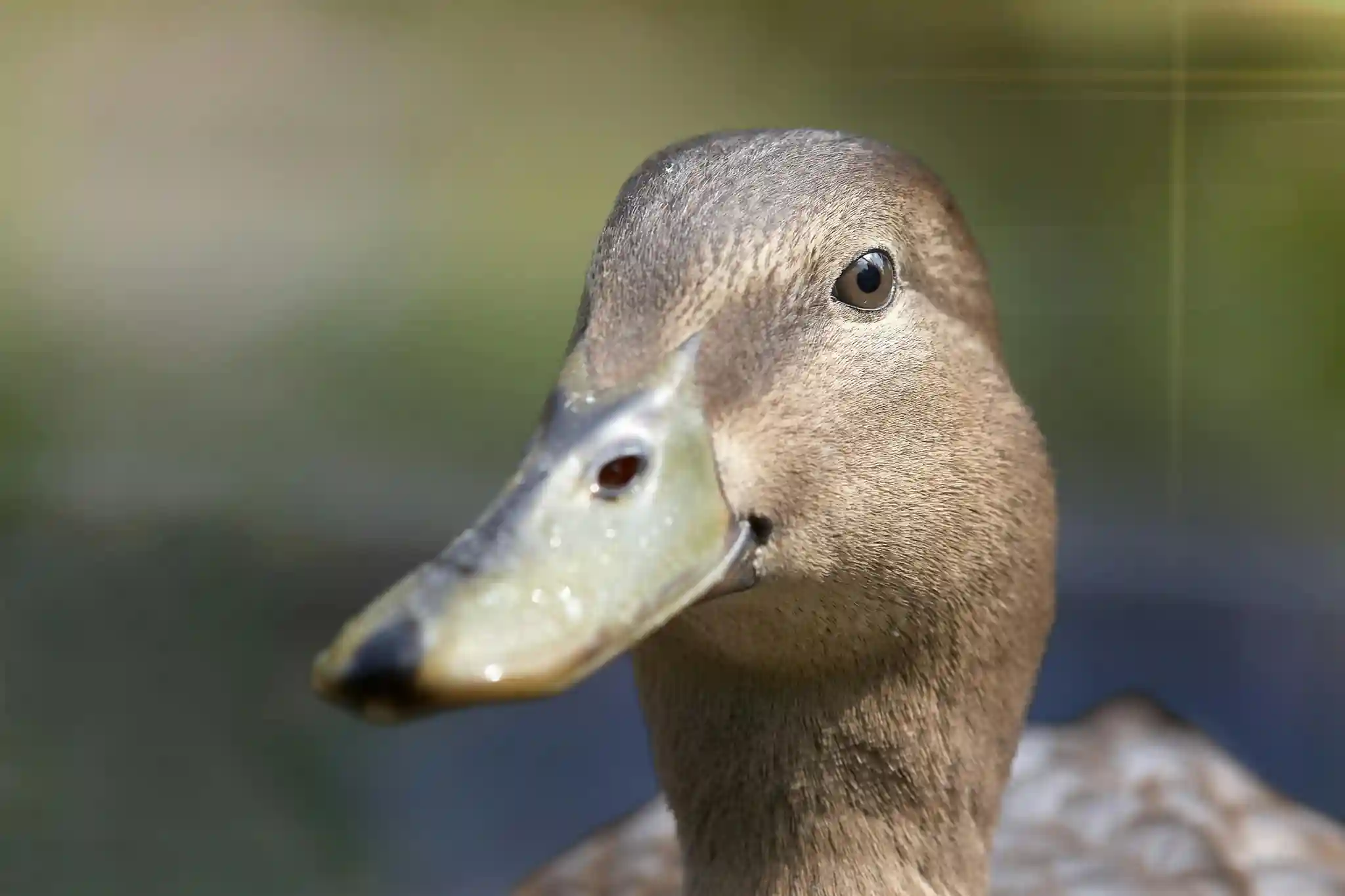
First of all, this is a strong decision. Ducks bring a kind of presence that is difficult to replicate. They are active without being exhausting, social without being overwhelming, and they carry themselves with a quiet confidence that suggests they have everything more or less figured out.
They will notice you immediately, and not in that vague, optional way some animals do. A duck sees you, processes you, and then usually walks over with purpose, as if there is something to discuss. Feeding quickly becomes a shared ritual, and before long, your daily routine starts aligning itself around theirs in a way that feels surprisingly natural.
It helps, of course, that they are extremely cute, which is not a minor detail but rather a central feature of the entire experience. There is something about the way they move, that slightly hurried but committed waddle, that makes even the most ordinary moment feel more entertaining than it has any right to be.
Water, Which They Appreciate Normally
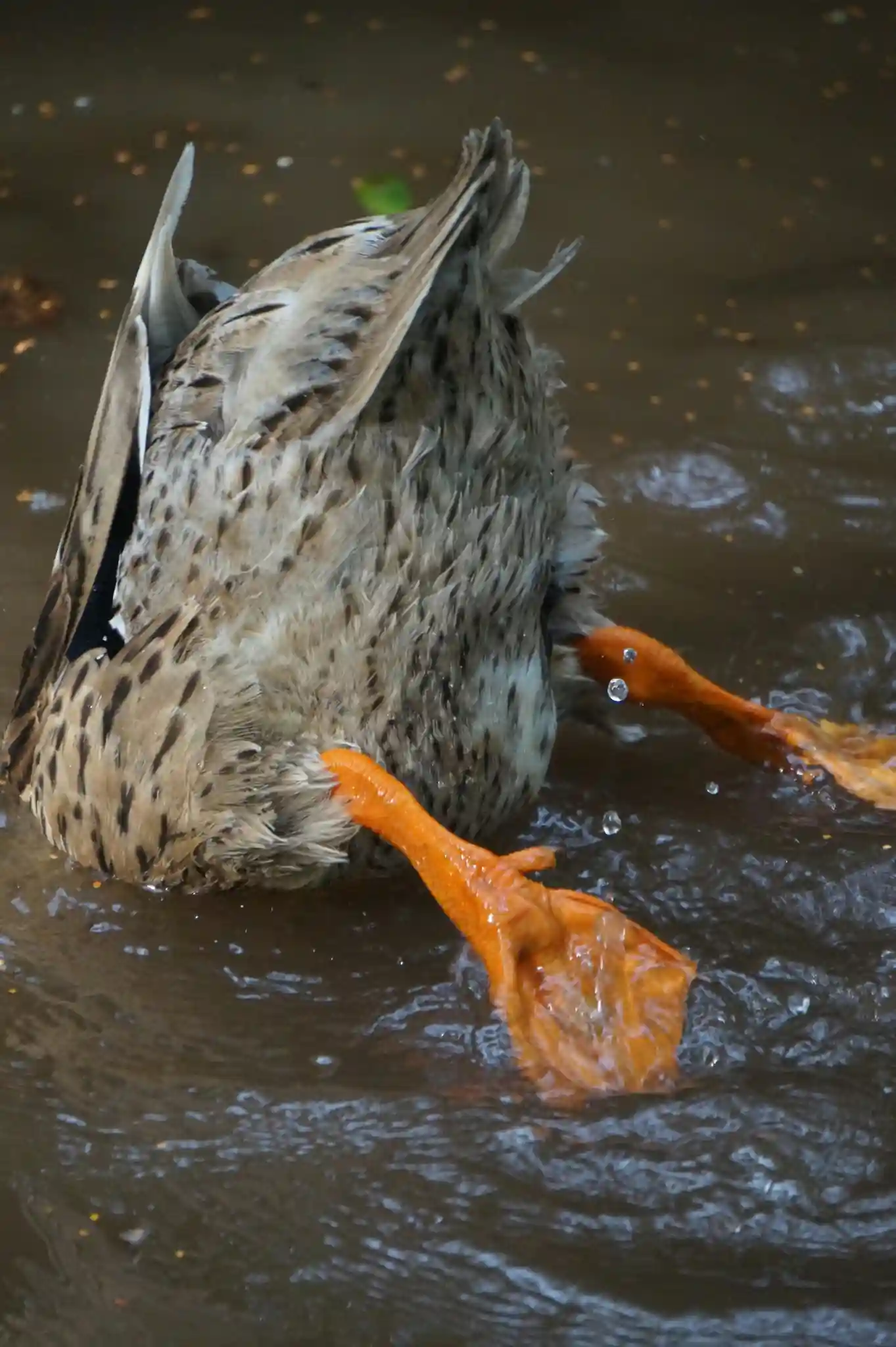
Providing water for a duck is straightforward in theory and deeply engaging in practice. A container, a small pond, anything that allows them to bathe and clean themselves will immediately become the focal point of their day.
They approach water with enthusiasm. Not excessive enthusiasm, just… complete enthusiasm. They step in, they lower their heads, they scoop and splash and sort of shovel water over themselves with those little beaks, those perfectly shaped, slightly ridiculous, incredibly effective beaks, and the way they sort of wiggle when they do it, and then they waddle out again like they have accomplished something extremely important, which they have, obviously, because look at them, look at the determination, the tiny wet footprints, the little head shake—
I am getting slightly off track here.
What matters is that water will not always remain exactly where you put it. It expands its influence. It explores. A clean container may become less clean, and the surrounding area may develop a certain dampness that was not originally planned.
This is fine. It simply means the duck is using the water correctly.
Feeding and Foraging (With Enthusiasm)
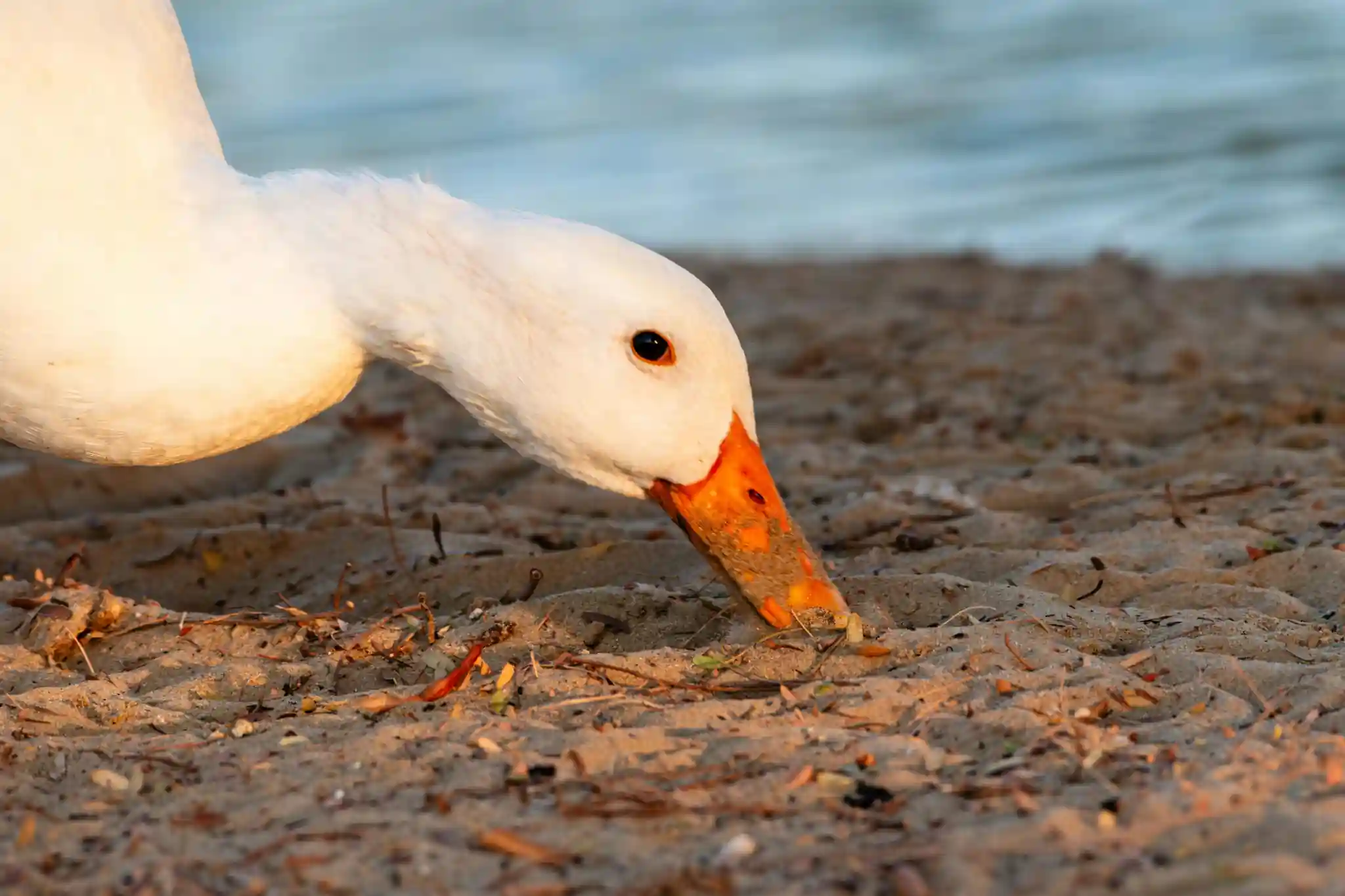
Ducks are excellent eaters, and this makes them very easy to care for. They enjoy a varied diet and will happily supplement it by foraging, which means your garden becomes part of the experience in a very direct way.
They move through the space with intention, inspecting the ground, nibbling here and there, occasionally pausing as if to consider a particularly interesting patch of soil before committing to it fully. There is a focus to it, a kind of quiet dedication that suggests they are not just eating, but conducting important research.
And then sometimes they waddle over, slightly faster than expected, like a tiny, determined loaf with legs, and they look up at you with that expression that is both completely blank and somehow full of expectation, and you realize they are waiting, and the little head tilt happens, and the beak opens just slightly, and I genuinely do not understand how something can look that unapologetically adorable without it being some kind of evolutionary trick.
Right. Food.
They eat well, they forage well, and they help keep insects under control. It is a system that works.
The Garden, Now Slightly More Collaborative
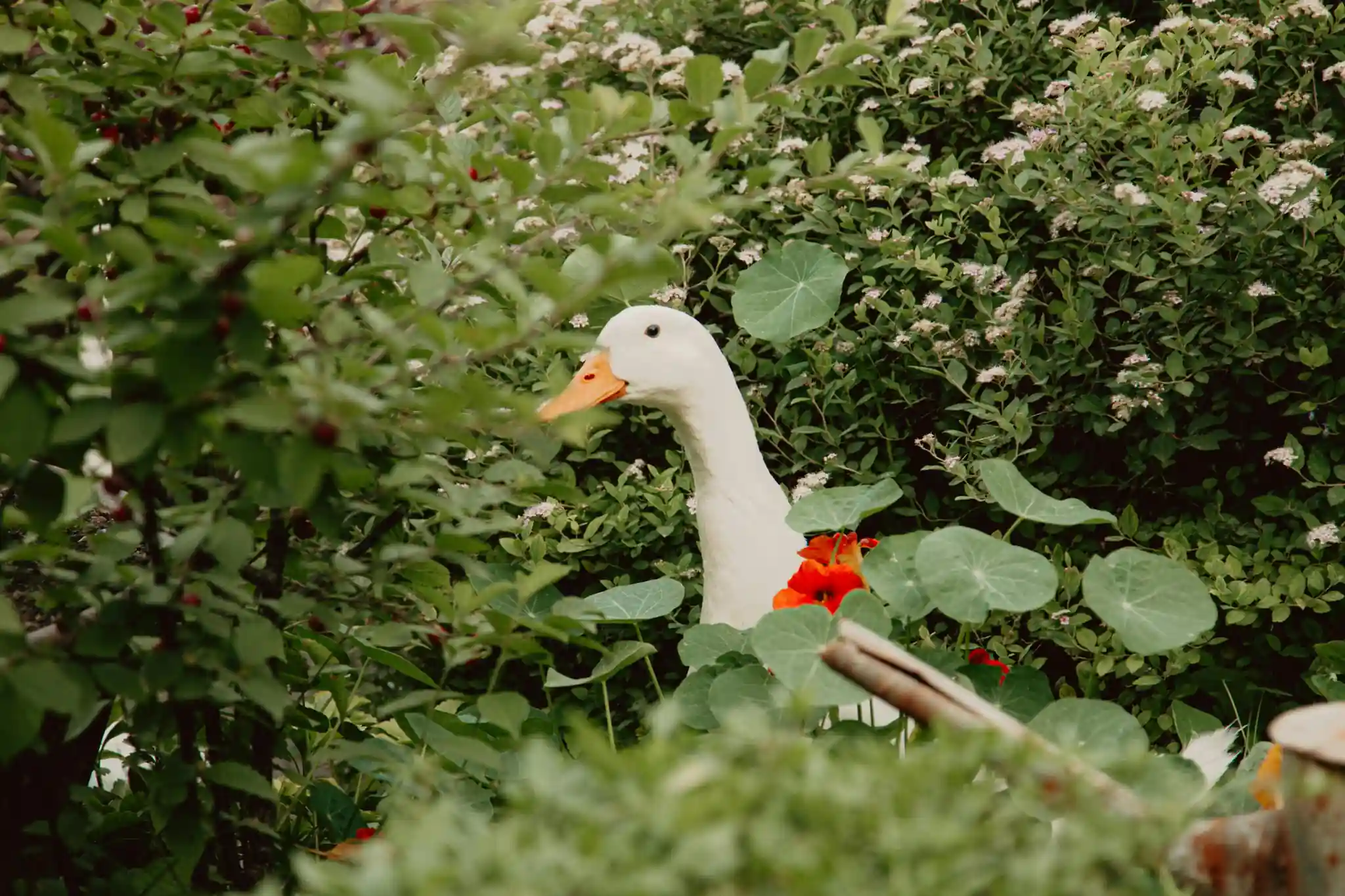
A duck in a garden is not a passive presence. It participates.
You may notice small changes over time. Areas of soil may become more… aerated. Certain plants may receive more attention than others, usually in the form of gentle nibbling or enthusiastic investigation.
This is sometimes described as damage, but that feels like an overly harsh interpretation of what is clearly an ongoing collaboration between duck and environment. The duck is exploring, learning, adjusting the landscape in ways that reflect its preferences.
And yes, those preferences may not always align perfectly with your original layout. A neatly arranged bed might become less neat. A carefully placed plant might be reconsidered by the duck and partially… relocated.
But in exchange, the garden becomes active. It changes, it responds, it feels lived in. And watching a duck waddle with absolute confidence toward a plant, as if it has been thinking about this specific plant for several minutes and has now reached a conclusion, is genuinely one of the more satisfying things you can witness on a daily basis.
More Than One Duck (Highly Recommended)
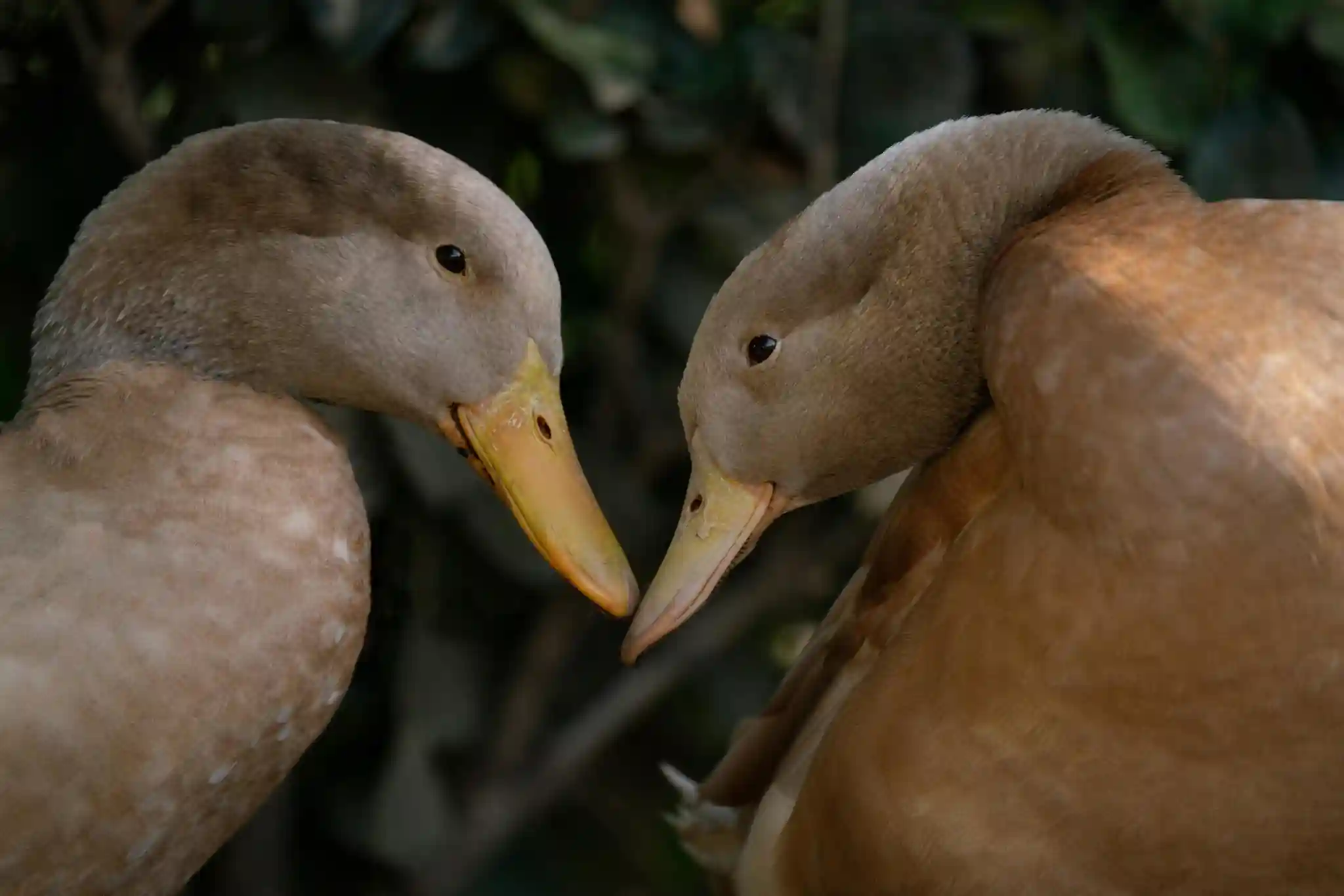
Ducks are social, and they benefit greatly from having companions. A small group creates a dynamic that is constantly shifting in small, interesting ways.
They communicate through sounds and movement, and while there may occasionally be brief disagreements, these are handled with remarkable efficiency. A quick exchange, a short chase, a clear resolution, and then everything settles again as if nothing significant has happened.
There is something very reassuring about this. Problems arise, are addressed, and then disappear without lingering tension. It keeps the overall atmosphere calm, even when things briefly look dramatic.
Eggs, Which Appear When They Feel Like It
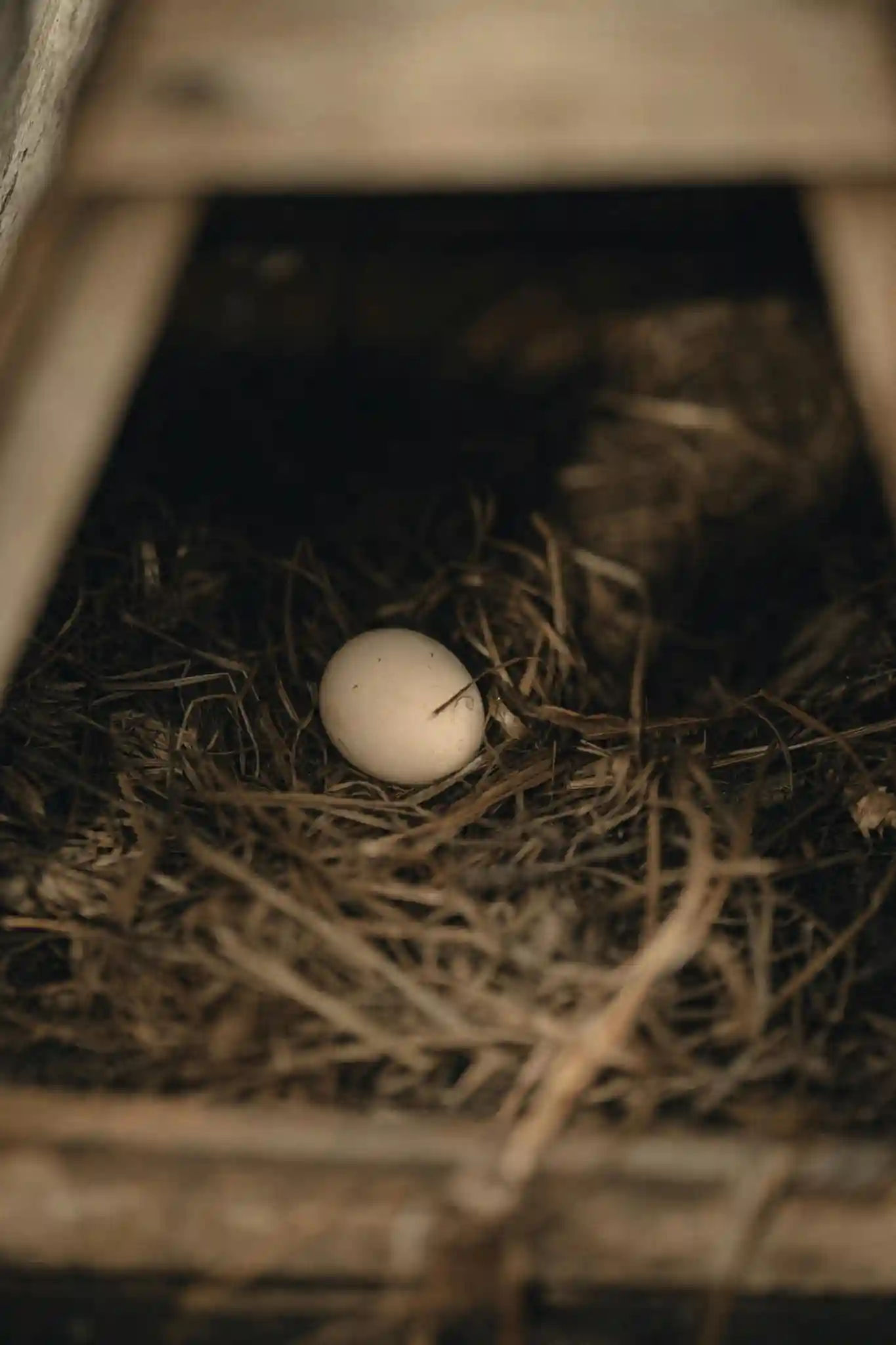
If your ducks lay eggs, this becomes a natural part of your routine. Duck eggs are excellent, rich and flavorful, and collecting them is one of those small daily tasks that quickly becomes something you look forward to.
Ducks, however, have their own ideas about where eggs should be placed, and these ideas are occasionally surprising. You might find eggs in corners, tucked behind things, or in locations that suggest the duck had a very specific plan that was not shared in advance.
This is not inconvenient so much as it is… engaging. It adds an element of discovery. You learn to check certain places, to pay attention, to think a little more like a duck, which is not a bad skill to develop.
Cleanliness, Which Is a Flexible Concept
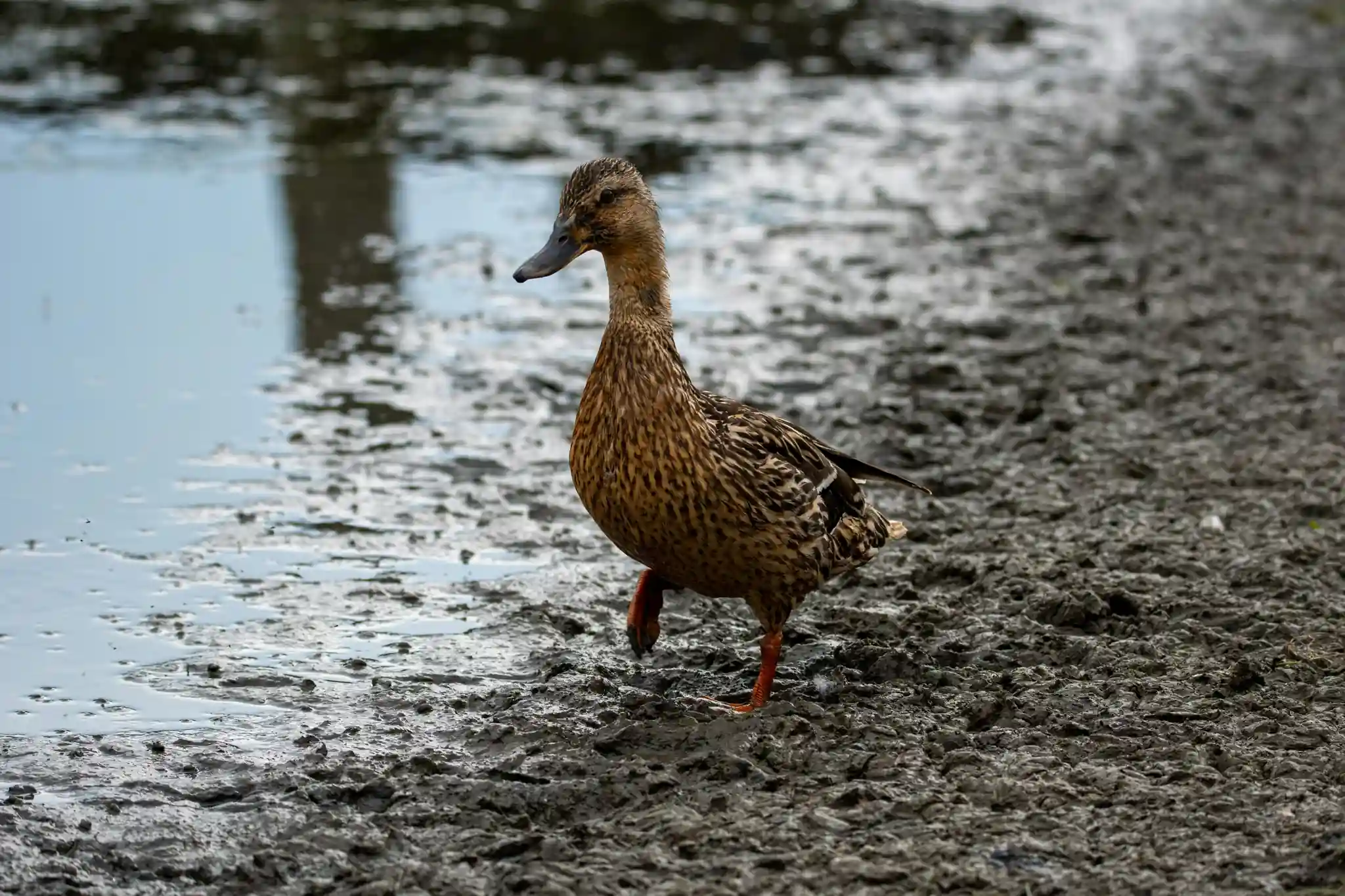
Ducks bring energy into a space, and that energy expresses itself physically. Water, food, and soil tend to mix in ways that are best described as enthusiastic.
Areas where ducks spend time will reflect this. They develop character. Texture. A visible indication that activity is taking place.
Calling this mess feels unnecessarily negative, because it implies something has gone wrong, when in reality everything is proceeding exactly as it should. A perfectly clean environment would suggest a lack of engagement, and a duck that is not fully engaged is not really the goal here.
With some light maintenance, everything stays manageable. More importantly, it stays alive.
The Sound of a Very Opinionated Animal
Ducks are vocal, and they express themselves freely throughout the day. Quacks, softer murmurs, small conversational sounds that seem to happen even when nothing in particular is going on all contribute to a constant background of activity.
At times, they may become louder, usually in response to something they consider important, which can include food, the possibility of food, or a general reflection on food as a concept.
This is not noise. It is communication, and it gives the entire environment a sense of presence that would otherwise be missing.
Final Thoughts
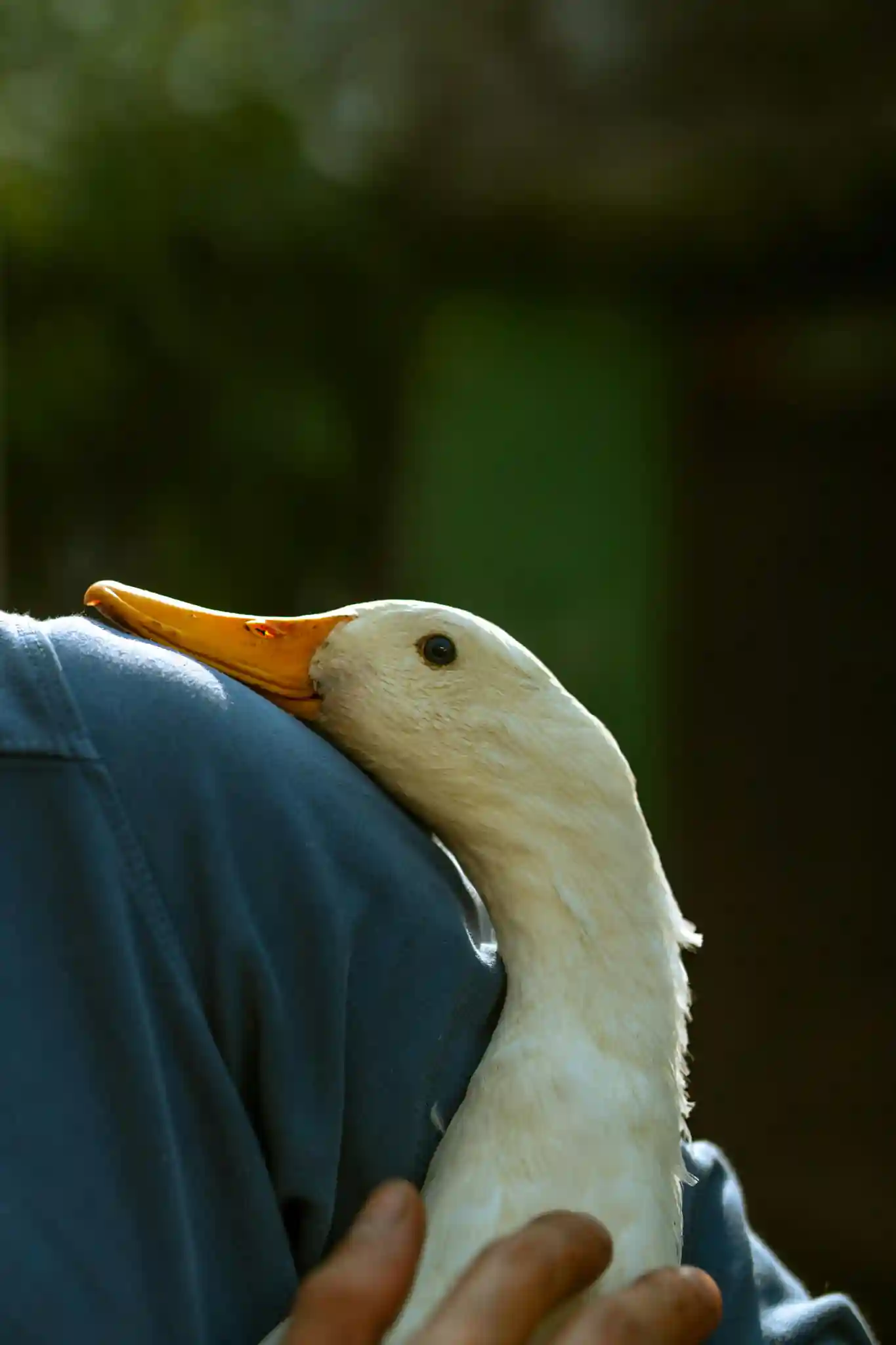
Keeping a duck is not about maintaining a perfectly controlled environment. It is about allowing a small, confident, slightly chaotic creature to share your space in a way that reshapes it over time.
There will be water where you did not plan for water, plants that have been thoughtfully reconsidered, and a general shift in how you define order. None of this feels particularly problematic once you see it in context.
Because in that same space, there will also be a duck waddling toward you with complete certainty, making small, content sounds, existing in a way that is so unapologetically itself that it becomes difficult to imagine not having it there.
And at that point, the original question of whether a duck is a good pet tends to answer itself rather clearly.